MOVEMENT THROUGH URBAN SPACE

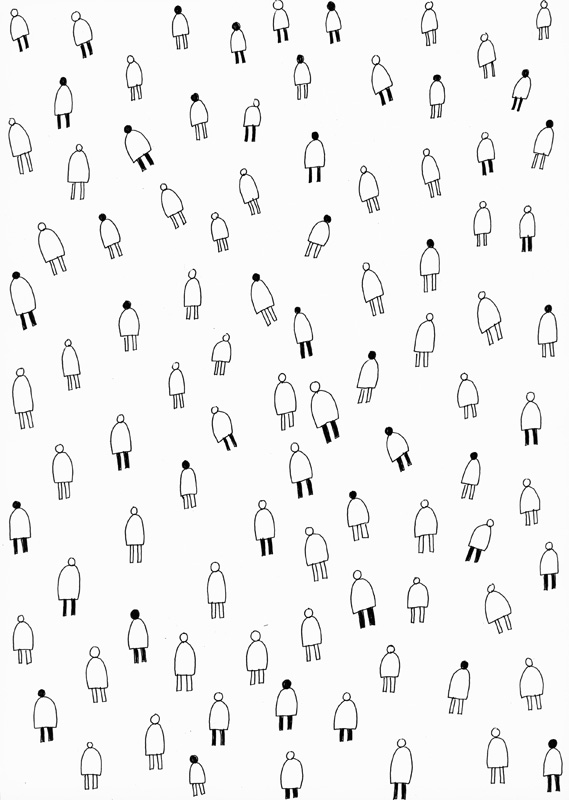
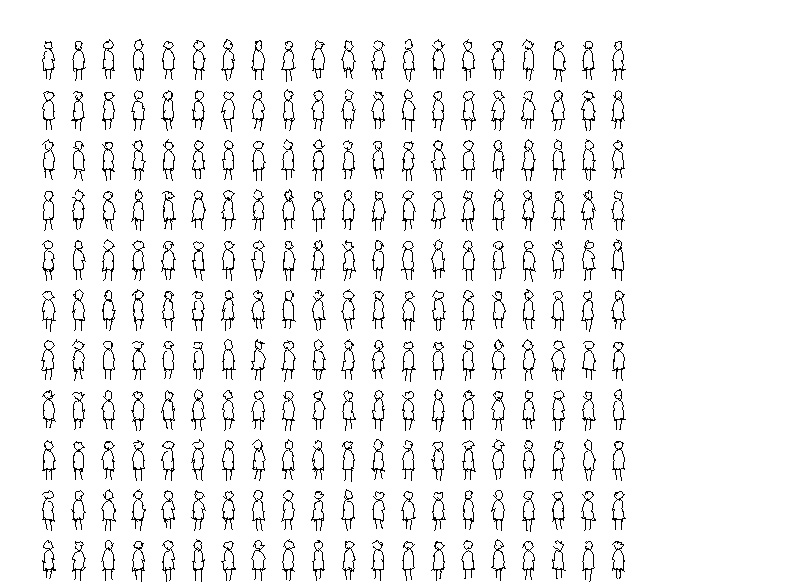
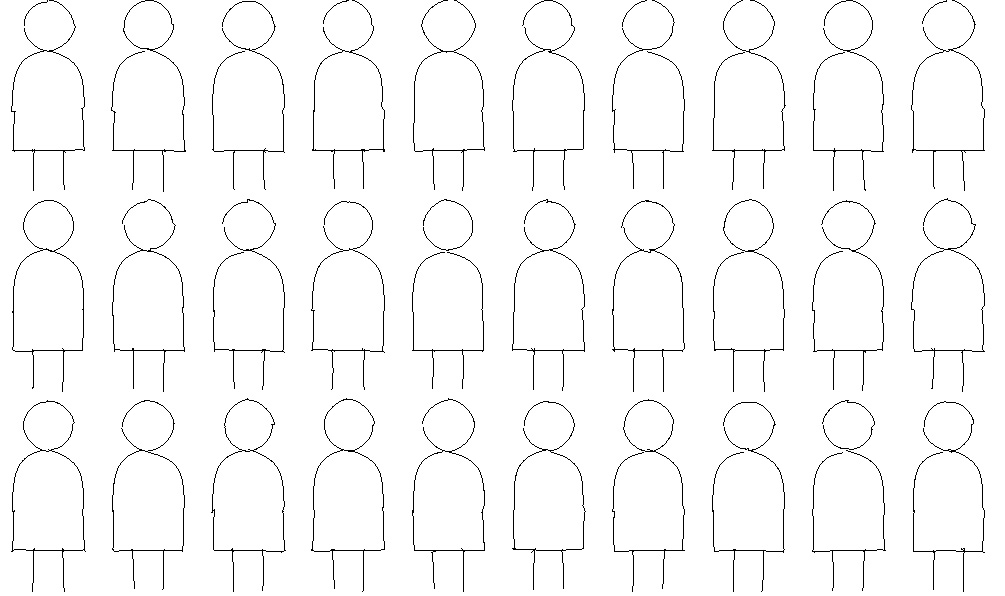
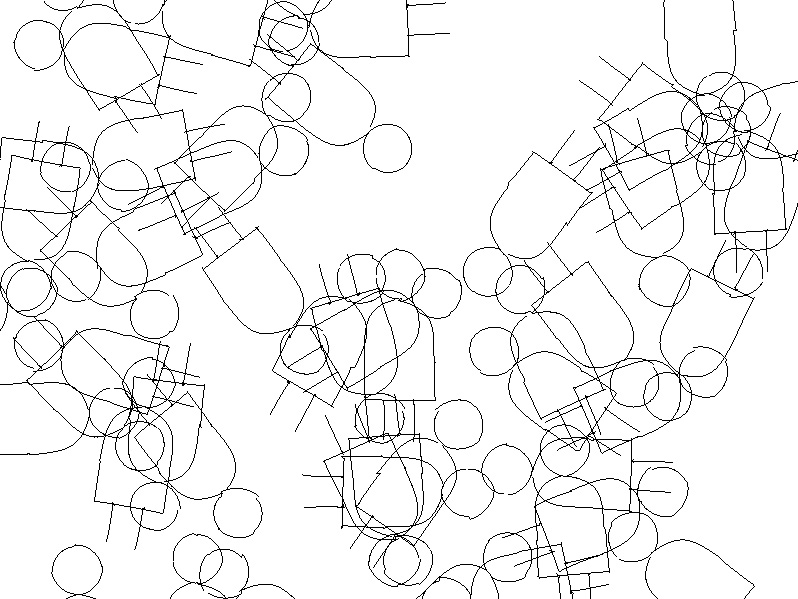
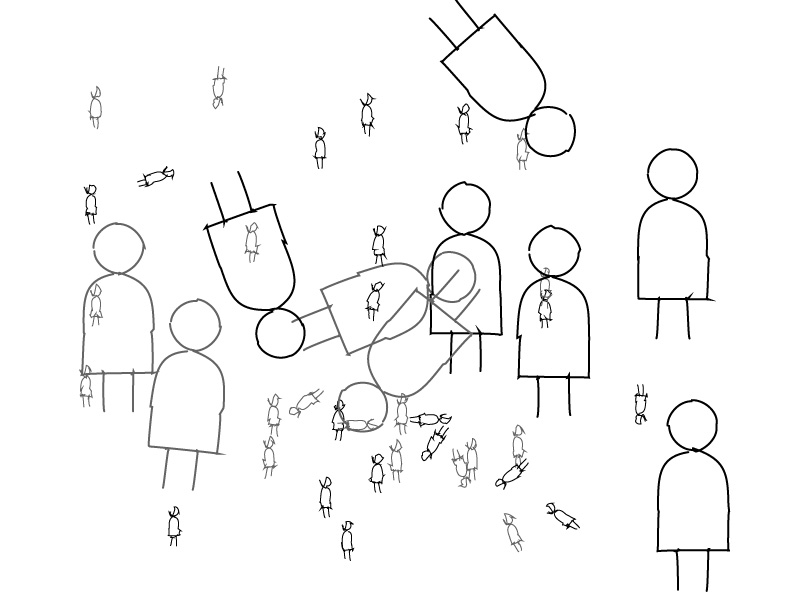
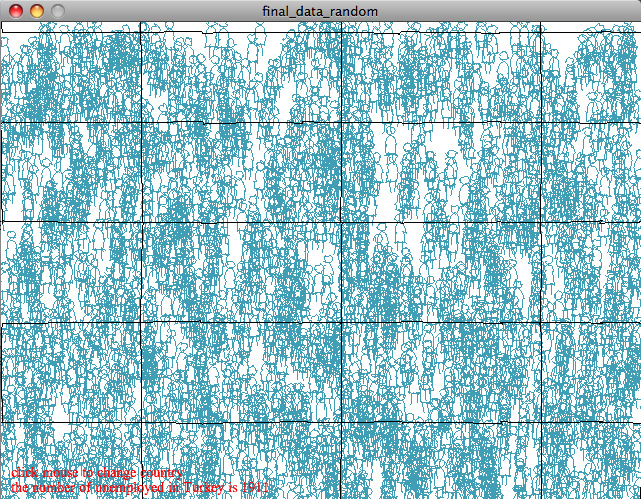
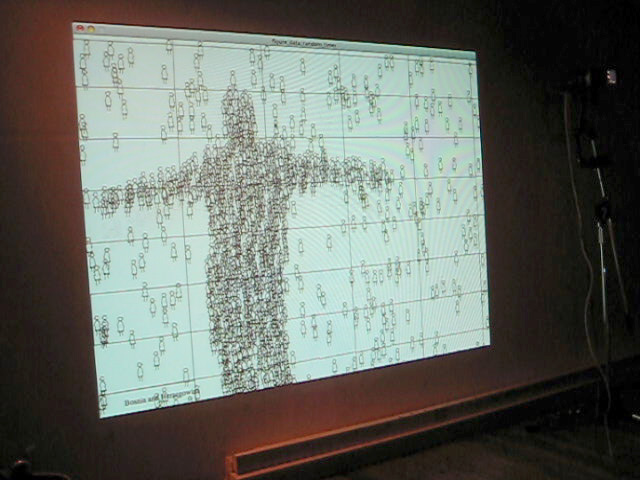
How do artists depict and map urban environments? Throughout history artists have used the most recent technologies available to create images of what surrounds them. I have always been interested in how the city can be represented, first through photographic images, later through websites and now through using code. Movement Through Urban Space is a multi-faceted project (prints/animations/installation) that uses Processing to create representations of urban space and to draw the figures who populate the city to the screen. This project has also become a visualization depicting the number of unemployed as animated figures moving in an abstract representation of urban space. On the screen as well as in an installation viewers can look at varying countries comparing and contrasting the number of unemployed world wide.

download thesis paper here

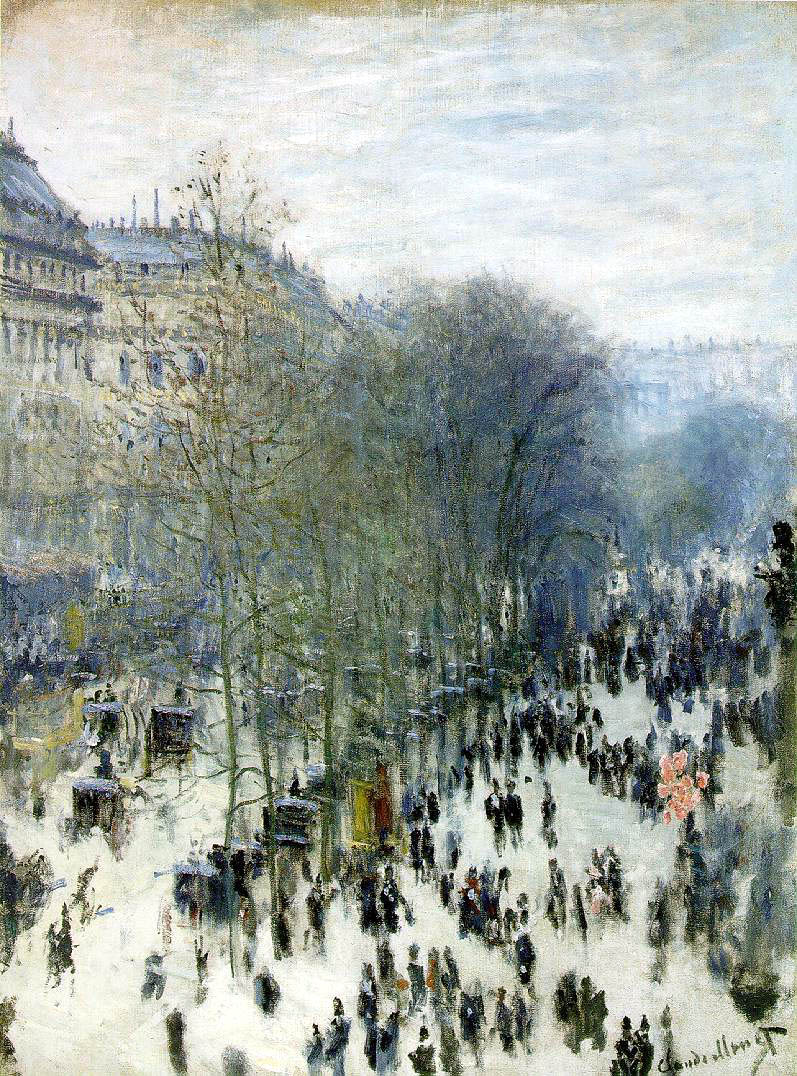
Modernist paintings of city life:


Claude Monet - Boulevard de Capucines, Paris, (1873-74)
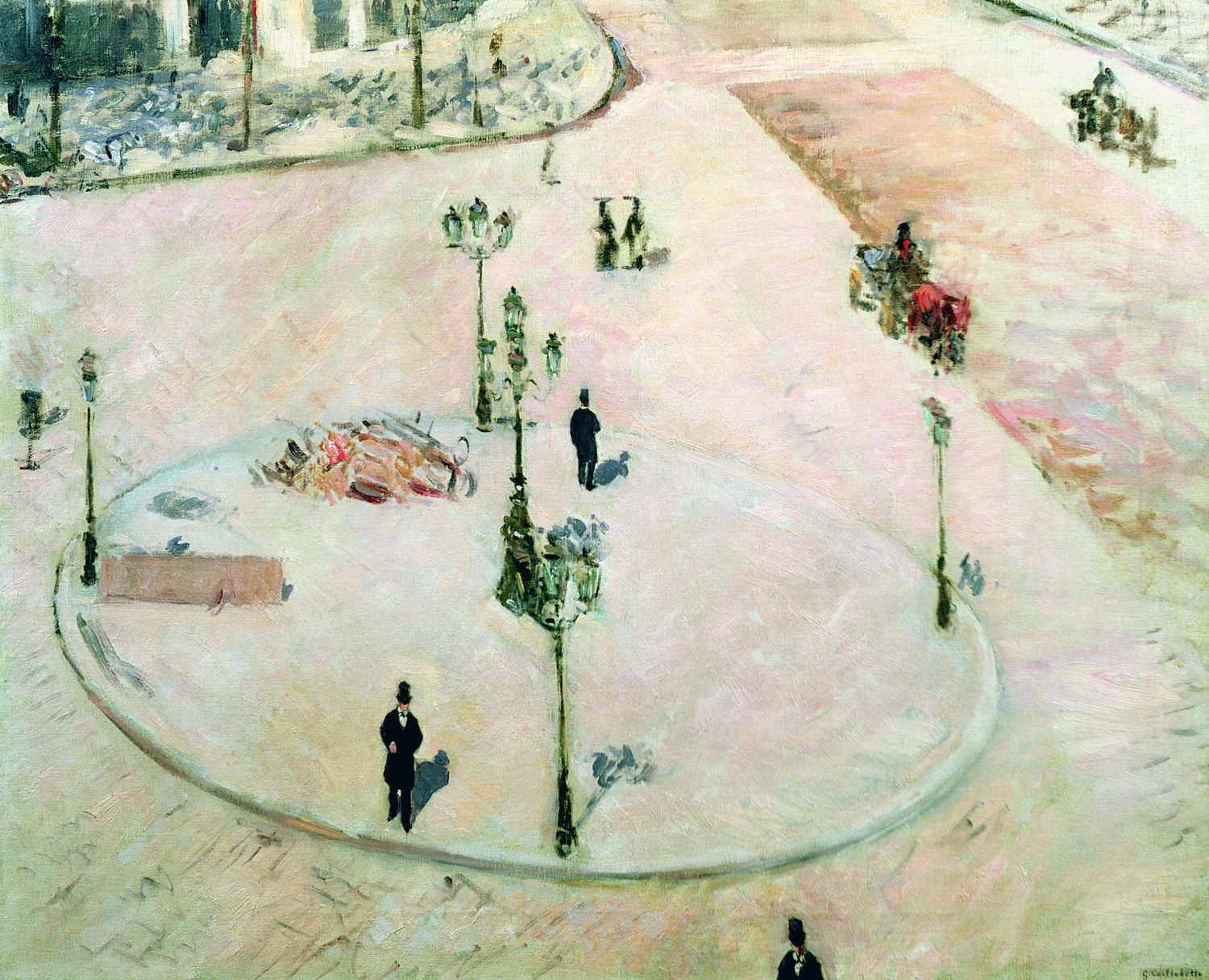
Gustav Caillebotte,Le Ponte de Europe, (1876)


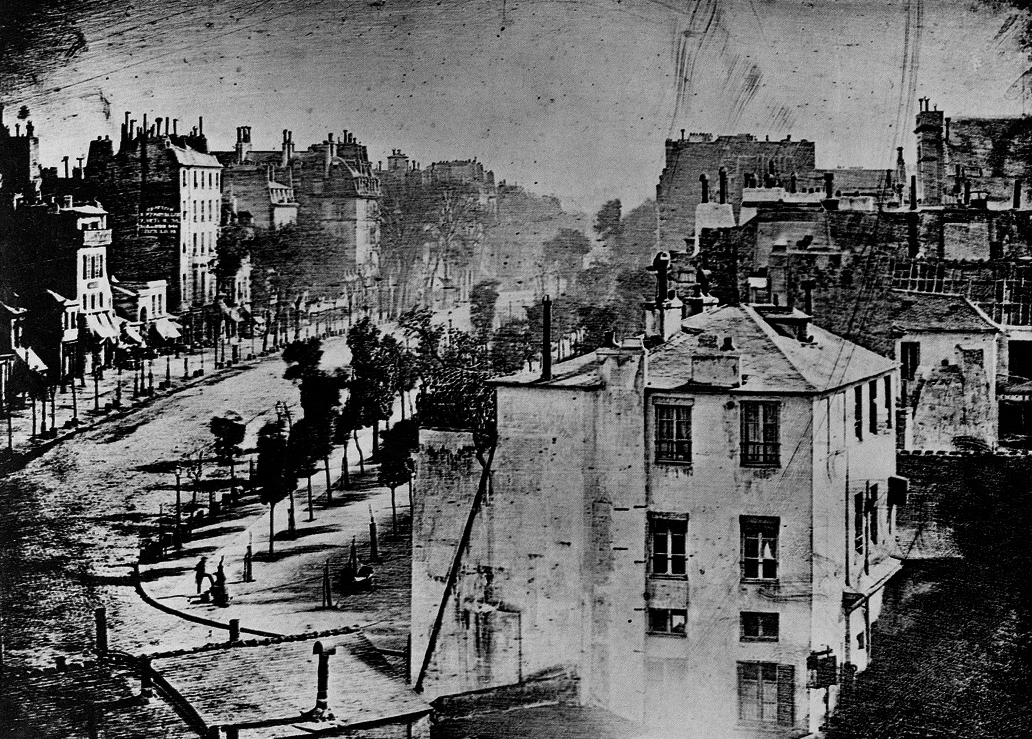
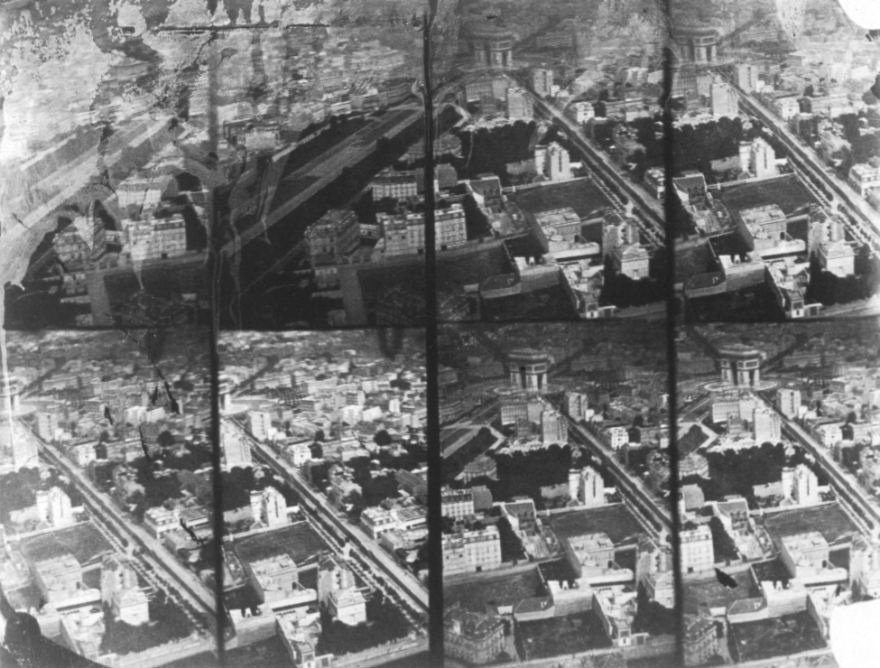
Early photographic representations of urban space:


Daguerre

Nadar


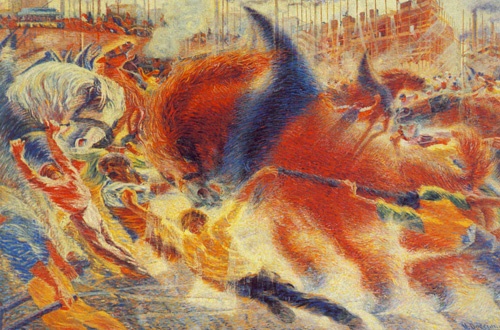
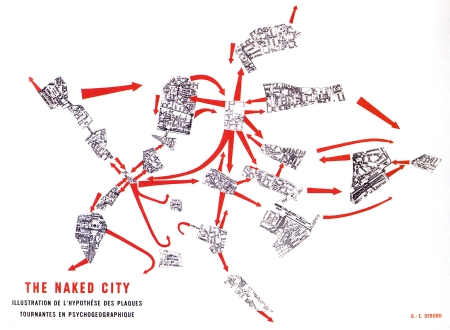
The Futurists and Situationist city:


Umberto Boccioni, The City Rises, 1910


Guy Debord, Naked City, 1957


Contemporary interventions:


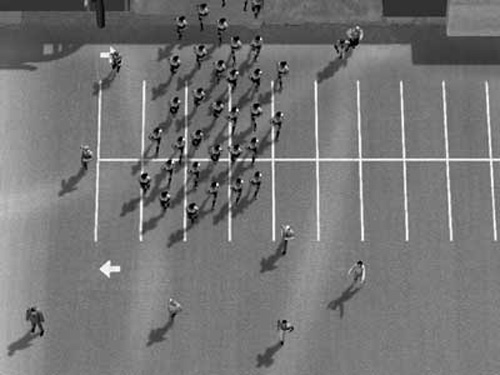
Paul Kaiser, Pedestrian, 2002


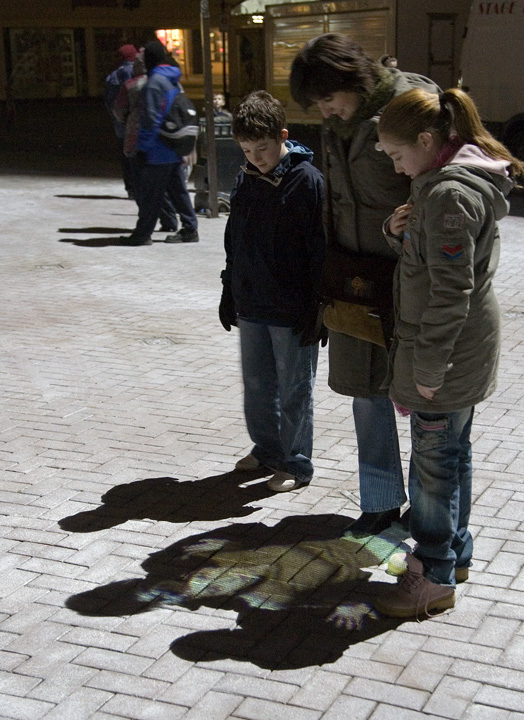
Under Scan, Rafael Lozano Hemmer, 2005


MY PROCESS:

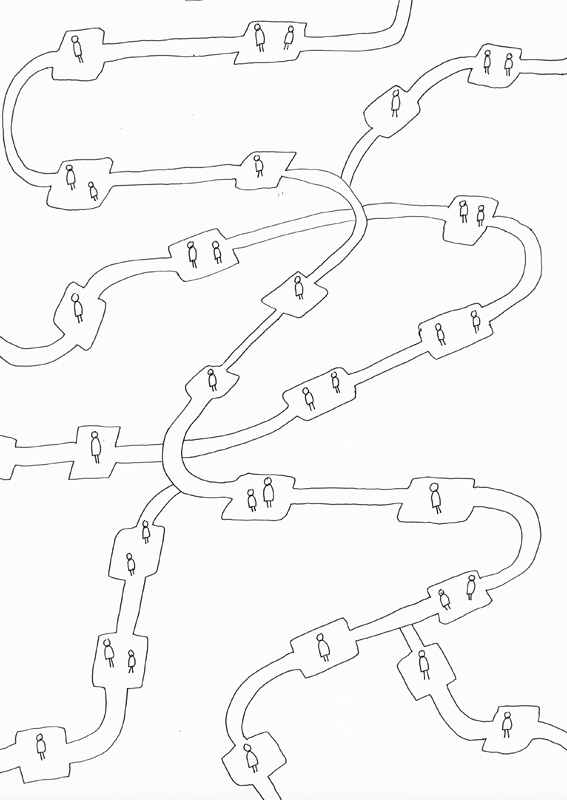
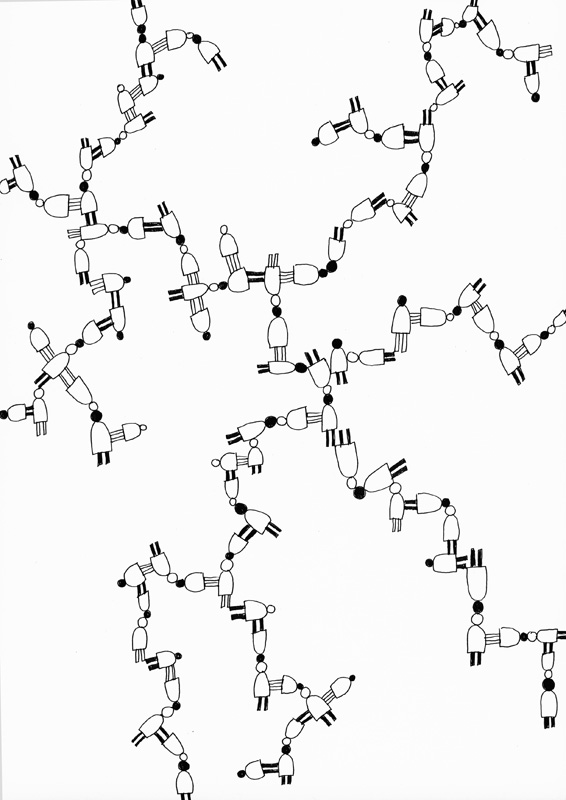
pen and ink drawings:


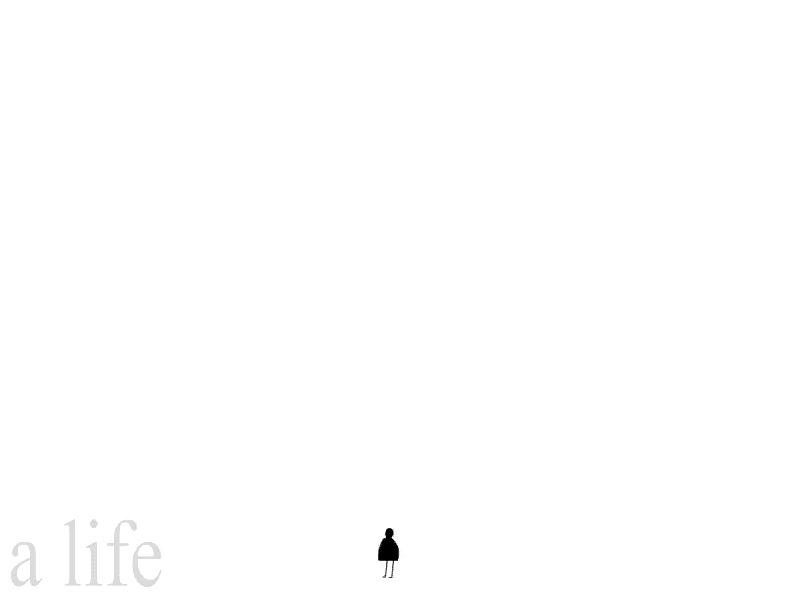
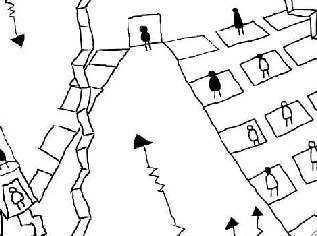
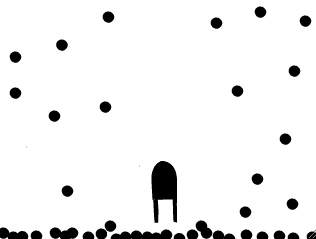
flash animations:


a Life, 2008


Loosing..., 2008


Fragments, 2009

static processing sketches:


animated sketch:


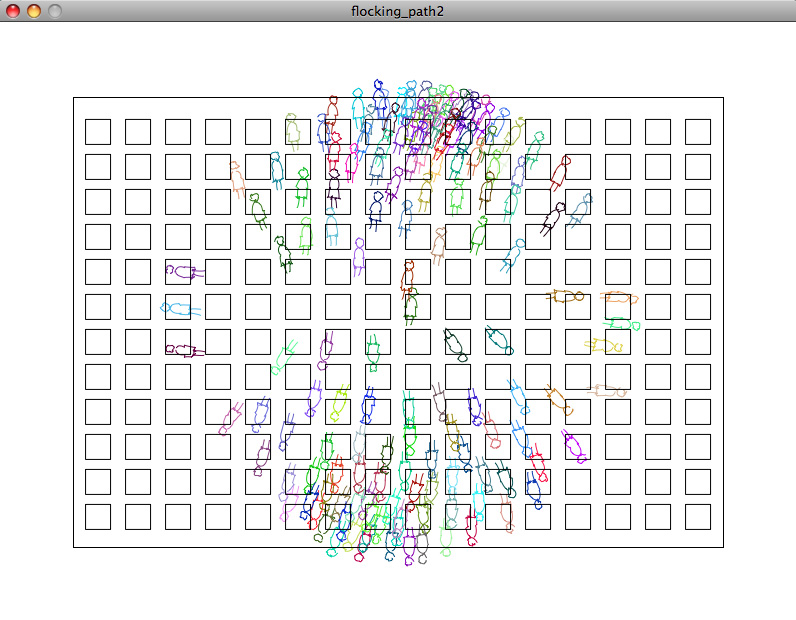
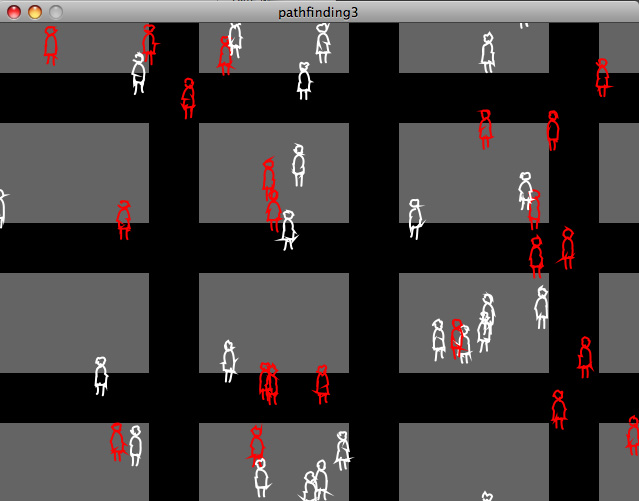
animated Processing sketches using streering behaviors:
Since I am always bumping into people as I walk down crowded streets, I also want to use
these interactions as the basis for my research.

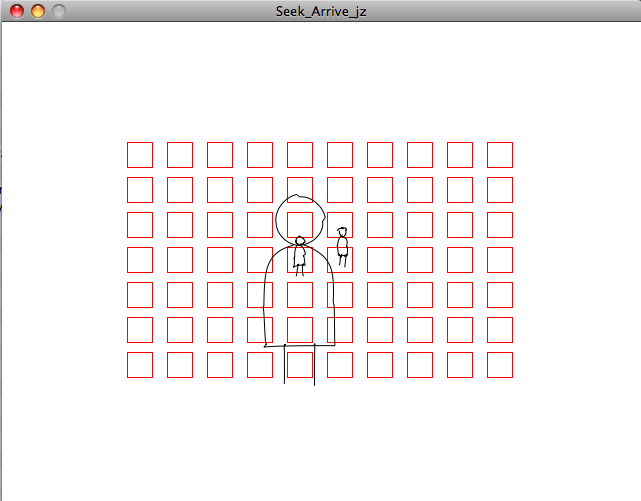
Seek - arrive (with a grid background):


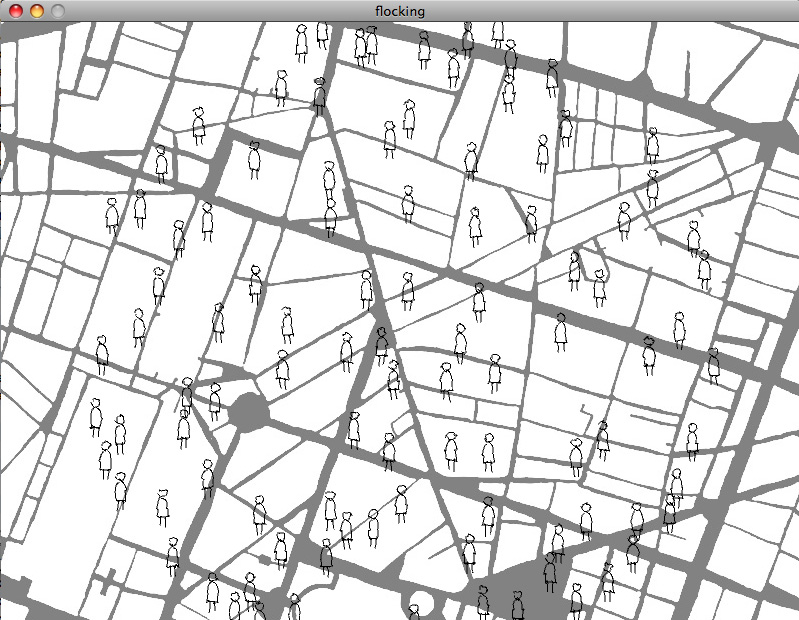
Flowfield (with Paris background):


Flock (multi color) (with a grid background):


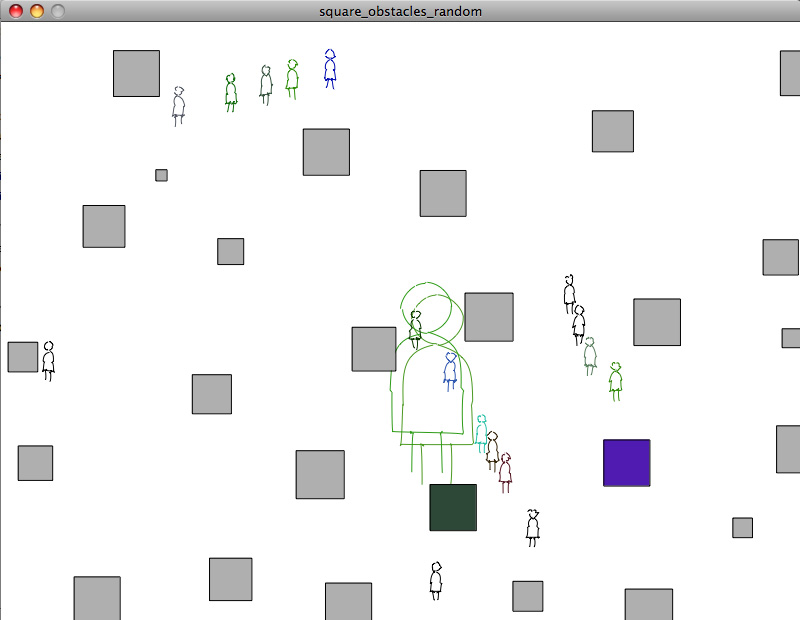
Obstacles:


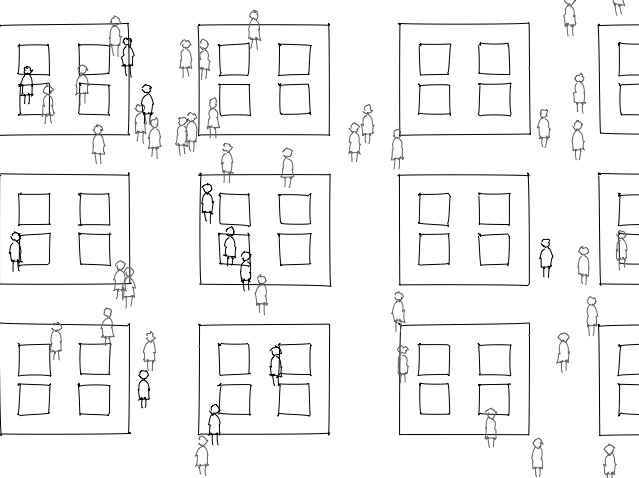
buildings as obstacles:


Obstacles - City - Life Span (the figures disappear):


Web Data (based on unemployment):


installation


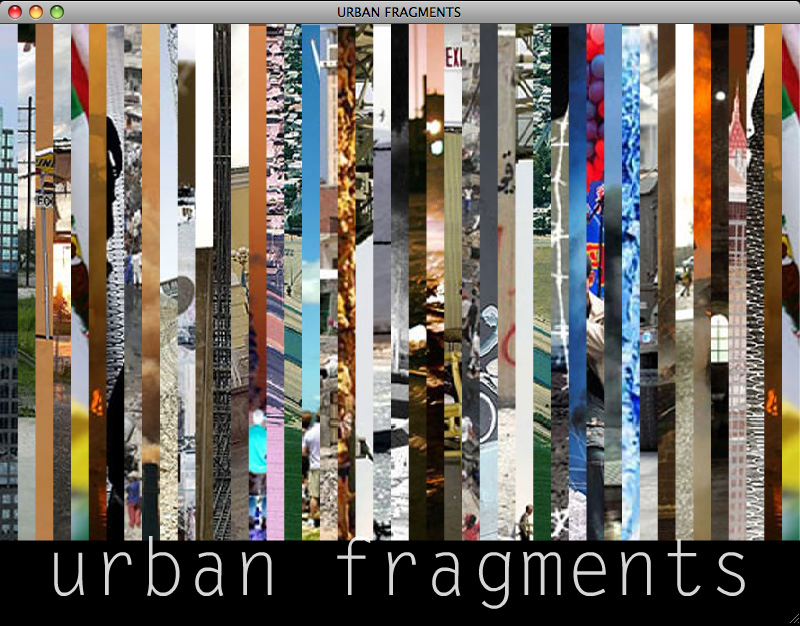
Urban Frgaments - website / net art project that is a repository for the work